
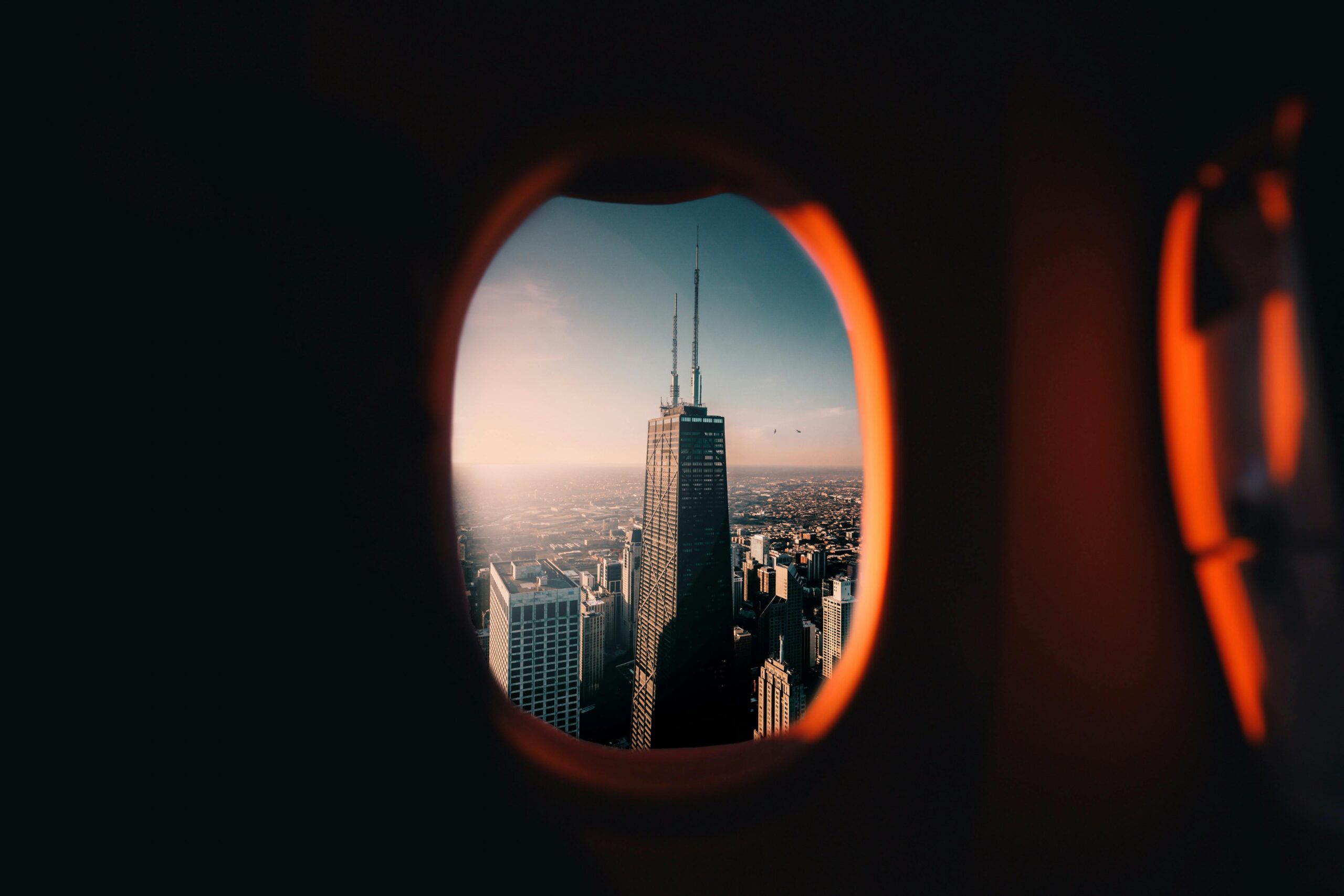
It’s a Monday morning, but for you, the office is a cafe in Barcelona, a co-working space in Bali, or a beachside bungalow in Thailand. This is the dream of the digital nomad, a life of freedom and work from anywhere in the world. But is this lifestyle a carefully planned mission or a leap of faith? For many, it’s a bit of both. A journey that often begins in the most unexpected ways.
The Unexpected Path to Becoming a Digital Nomad
When you picture a digital nomad, you might imagine a young, ambitious individual fresh out of college. However, the path often begins later in life, after a major life change or a desire for something completely new. It’s a journey that doesn’t require a checklist of specific skills or a lot of upfront preparation. Instead, it’s about a readiness to activate a vision for a different kind of life. For many, this path isn’t a decision made in crisis but rather a surprisingly simple shift when an old life no longer aligns with new aspirations.

The Digital Nomad’s Financial Strategy
One of the biggest concerns for anyone considering this lifestyle is money. ney. The foundational strategy is straightforward: generate income as quickly as possible and keep expenses to a minimum. This often means leveraging existing skills as a freelancer on platforms like Upwork, creating a fast and reliable income stream.
In parallel, a common strategy for new nomads is to deliberately choose destinations with a low cost of living. This simple equation of drastically reducing expenses while ensuring quick cash flow is crucial for survival in the early stages. The focus should be on getting the financial basics right before you can truly enjoy the freedom and personal fulfilment that this lifestyle promises.
Finding Your Workspace and Your Tribe
The romantic image of working from a remote beach hammock often clashes with the reality of maintaining productivity. For long-term success, a consistent workspace is essential. Many nomads find that co-working spaces or even familiar coffee shop chains provide the stability and reliable Wi-Fi needed to get work done. Prioritising productivity over a “perfect” exotic backdrop is a key insight for those who succeed in this lifestyle.
Embracing this way of life also means adopting a form of conscious minimalism. Long-term nomads often become like “turtles,” carrying everything they own in a single suitcase. This requires a shift in mindset, learning to disconnect from possessions that don’t serve a purpose on the road. It can also change your approach to shopping, as you’ll learn to invest in fewer, higher-quality items
Maintaining personal connections is one of the greatest challenges. While living this way means having friends all over the world, it takes a deliberate effort to nurture those relationships. Actively keeping in touch with friends and family is just as important as managing your finances for your long-term happiness and well-being.
Resilience and the Art of Going with the Flow
Nomadic life isn’t without its setbacks. Lost laptops, stolen phones, or unexpected health issues are all part of the journey. The key to long-term success lies in your perspective. Instead of viewing these events as catastrophes, you can learn to see them as part of the adventure. It’s about having practical solutions—you can always buy a new device or go to a hospital—and learning to laugh at the unexpected moments.
Investing in a high-quality insurance policy is a non-negotiable part of this lifestyle. Stories of travellers facing catastrophic medical costs are a stark reminder that you can’t rely on luck. A good policy not only covers emergencies but also allows for a proactive approach to your health.
After years on the road, many nomads find that a rigid strategy isn’t always needed. The biggest lesson is that “some risks are not real risks” but rather “ego risks.” The worst-case scenario is simply a flight back home, which makes the experiment of this lifestyle a minor risk in the grand scheme of things.
The Right Mindset for the Long-Term Nomad
Digital nomadism is not for everyone, at least not for the long term. Maybe it’s a suitable lifestyle for only 1% of the population. The qualities needed to sustain it are not traditional skills but rather “madness points,” or what normal society might consider weaknesses. These include: not being prone to loneliness or being able to emotionally disconnect from it, not feeling burnt out by constant change and having the ability to feel that “wherever I am, it’s home,” and lacking the need for a permanent space or many possessions. It also requires the absence of pain when saying goodbye to people. These traits, which might be disadvantages in a conventional lifestyle, become strengths for the long-term nomad.
If you’re on the fence about becoming a digital nomad, the most important advice is simple: just do it. The decision is as easy as buying a plane ticket. This lifestyle isn’t a drastic change from which you can’t recover. It’s something you can easily back out of if it’s not for you. Flexibility is key, so don’t create long-term expectations from the outset. This journey can be seen as a new life or simply your next great vacation that will unfold as you go.
You can also listen to the full podcast here.

0 Comments