
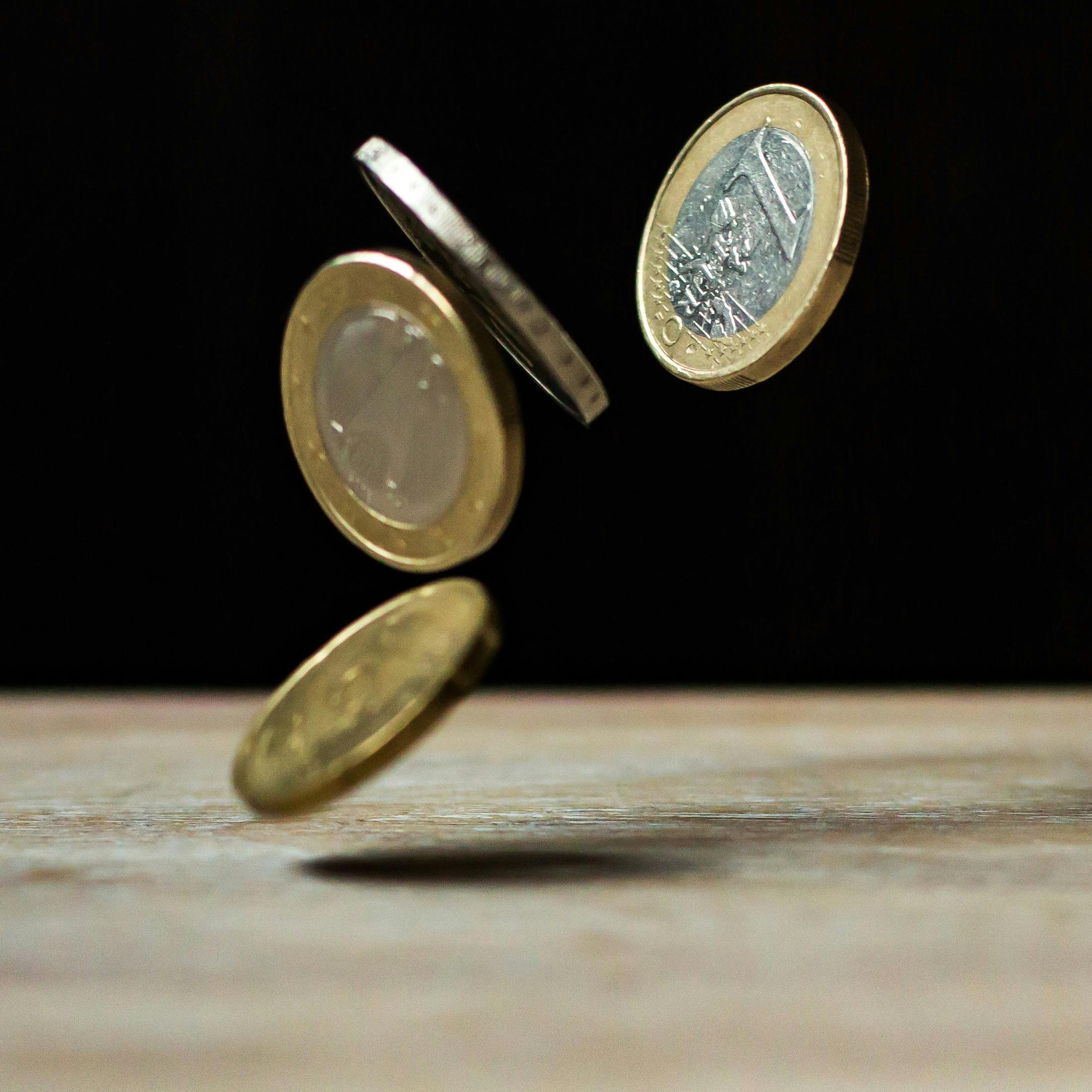
Managing finances while traveling internationally presents a unique set of challenges that go beyond simple budgeting. The infrastructure of your money is a critical component of a successful and stress-free journey. Overlooking this foundation can lead to high commission fees, security risks, or the inability to access your own funds when you need them most.
A traveler’s financial capabilities are often influenced by their country of origin. Access to advanced banking systems, like those in the U.S. or developed European and Asian nations, offers a wide variety of tools and low-friction options. For others from developing nations, the challenge isn’t just optimization, but gaining access to global financial systems at all, often facing significant limitations and high commissions. Regardless of your starting point, building a resilient and secure financial setup is universally beneficial.
The Core Principle: Build Redundancy
The single most important strategy for any traveler is to create redundancy. Relying on a single bank account or one credit card is a significant risk. If that one access point is lost, stolen, or frozen, you could be left stranded. The goal is to ensure you always have a fallback plan.
Diversify Your Banks
It is advisable to have at least two traditional bank accounts. These accounts should serve as your financial “anchor,” the secure place where you store the majority of your wealth. Unexpected issues, even minor ones, can cause a bank to freeze an account, so having a second one provides a crucial safety net.

Utilize Multiple Neo-bank
Financial apps like Revolut or Wise are excellent tools for managing daily cash flow. They typically offer superior currency conversion rates and instant transaction notifications. However, these services can freeze accounts with little warning. Therefore, they should be used for transactions, not for storing large sums of money. Having accounts with at least two different neo-banks is a prudent approach.
Carry Different Card Providers
Don’t rely solely on one card network. While Visa and Mastercard are the most widely accepted for international travel, it’s wise to carry both. Link these cards to your different bank and neo-bank accounts to further diversify your access to funds.
Proactive Security for Day-to-Day Spending
While traveling, you are more exposed to financial security threats. Simple, proactive measures can protect you from the headache and financial loss of fraud.
Enable Instant Notifications
Use cards and apps that send a notification for every transaction. This allows you to spot fraudulent activity immediately, rather than discovering it weeks later on a statement.
Use Modern Payment Tools:
- Mobile Payments: Services like Apple Pay and Google Pay act as a mediator, shielding your actual credit card details from vendors, which adds a powerful layer of security.
- Virtual & Disposable Cards: Many neo-banks offer virtual cards that can be canceled in an instant or disposable cards designed for a single use. These are perfect for online purchases or transactions with vendors you are unsure about.
- PayPal: For online transactions, using PayPal is often more secure than entering your credit card details directly on a website.
Practice Digital Hygiene
Never access your primary bank accounts from a public computer or an unsecured Wi-Fi network, like those in cafes, without using a VPN.
The Enduring Role of Cash
In an increasingly digital world, the importance of cash should not be underestimated. While credit cards were once just a backup, today they are primary tools. However, cash remains king in many parts of the world, especially in developing countries. It is universally accepted, can often secure you better prices, and serves as the ultimate fallback if digital systems fail or your cards are blocked. While the world is moving toward a cashless future, for now, carrying a reasonable amount of cash is a vital part of a resilient travel strategy.
Avoiding the Hidden Tax of Commissions
Careless financial management can result in paying what amounts to a hidden tax. Transaction and conversion fees can easily add up to 5% or more of your total spending. Be mindful of the cards you use for foreign transactions. Neo-banks and specialized travel credit cards often offer zero conversion fees and provide the true market exchange rate, saving you a significant amount of money over time.
Ultimately, while the methods have evolved from traveler’s checks to instant digital payments, the principles of sound financial management remain. Technology has made cross-border transactions easier than ever, but it has also made it simpler to be shut out of the system entirely. By investing a small amount of time to build a redundant, secure, and cost-effective financial setup, you can navigate the world with greater confidence and peace of mind.
You can also listen to the full podcast here: Link

0 Comments