
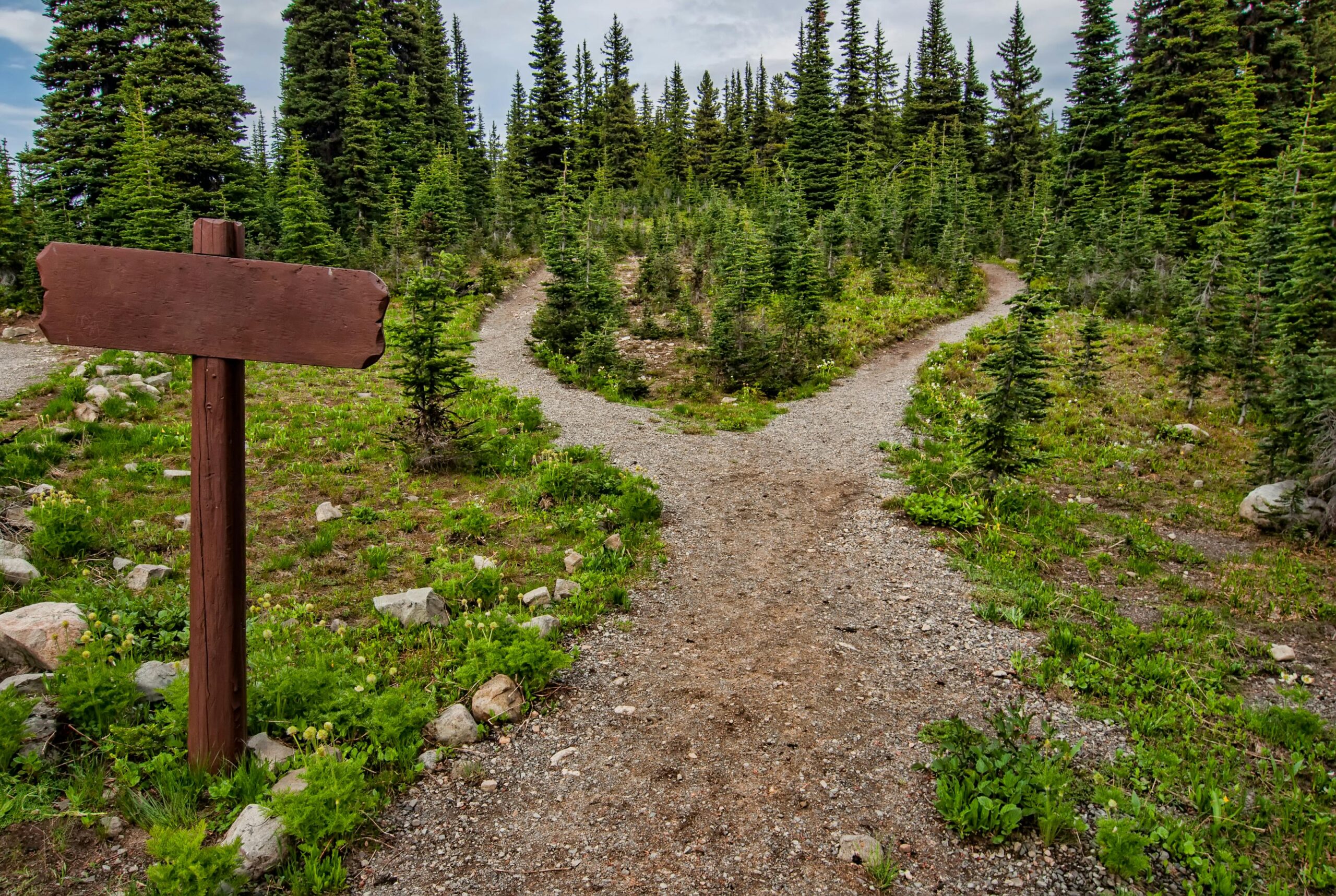
The digital nomad lifestyle has been romanticised as a life of endless adventure and freedom, but what happens when the constant movement and lack of a stable home begin to take their toll? The idea of a “nomadic burnout” or a desire to transition out of this lifestyle is a reality for many. It’s a natural evolution of a journey that, for some, might not be a permanent state but a series of distinct chapters.The core of this transition often comes down to a crucial question: What is a nomad? Is it simply a matter of changing your geographical location, or is it a deeper, more personal transformation? For many, the true value isn’t just in seeing new places, but in feeling the freedom to change your life whenever something isn’t working. It’s about having the courage to make a change—to buy a plane ticket, switch careers, or simply reset your life—rather than feeling stuck.
The Unavoidable Trade-Offs
While the nomadic life offers a sense of wonder and excitement, it comes with significant trade-offs that can lead to a desire for change. These aren’t just minor inconveniences; they can be major deficiencies that touch the core of your personal and professional life. For example, a nomadic lifestyle can prevent you from building compounded interest on your career or reputation. By constantly moving, you miss out on the long-term benefits of establishing yourself in a “winner” city, where trust and connections grow over time. This can make it difficult to build a serious business or advance in your profession in a meaningful way.
Additionally, there’s a significant social cost. Maintaining relationships with family and old friends requires immense effort. Building new friendships, and especially finding a romantic partner, is a continuous challenge. While some places, like London or Dubai, have a transient population that makes it easier to make new connections, others do not. This can lead to a lack of a strong “tribe” or community, which is a key source of security and happiness for many people.

The “Unattainable” Tribe and the Flaws of a Fluid Life
The fluid nature of the nomadic lifestyle makes it difficult to form a true community. Unlike a small, niche co-living or a tight-knit community in a village, the global “digital nomad tribe” is loosely defined and lacks a clear admission price beyond a plane ticket. This makes it challenging to find genuine kinship and shared values, as everyone is on a different path.
Ultimately, the long-term nomadic lifestyle is a rare and, for most, unsustainable exercise. It involves building castles and letting them erode by the sea. You invest time and energy into a location, a group of friends, or a project, only to intentionally leave it behind as you move on to the next place. This continuous cycle of starting over can be emotionally and professionally exhausting.
Finding a Sustainable Path: The Mindset of a “Seasonal Nomad”
The beauty of this lifestyle is that you can adapt it to fit your needs. You don’t have to be a “perpetual traveler” to benefit from a nomadic mindset. Many people are finding creative ways to blend a stationary life with travel. Instead of aimless travel, some people choose to live in a few specific locations throughout the year, returning to the same places and building a sense of familiarity and community. This concept is often called seasonal nomadism. Another approach is to have one place you can call an “anchor” or home base, which allows you to build a foundation while still travelling to other locations.
Whether you decide to take a temporary break from the road or find a more balanced approach, the key is to be intentional with your choices. It’s a conversation with yourself about your priorities and how you can find a lifestyle that supports all the “buckets” of your life.
Redefining Success
Ultimately, the long-term success of a nomadic life isn’t measured by the number of countries you visit or the lack of a fixed address. True success is about defining what freedom means to you. This could be the freedom to change careers, to spend more time with loved ones, or to pursue a new passion. It means moving beyond a simple change in geography to a deeper, more profound change in yourself.
The experience of a nomadic lifestyle provides invaluable lessons about adaptability and resilience. It teaches you that some of the greatest risks are just “ego risks” that prevent you from pursuing new opportunities. By embracing this mindset, you can find a balance that allows you to build a fulfilling life, whether you’re constantly on the move or putting down roots in a place that feels like home.
You can also listen to the full podcast here: Link

0 Comments