
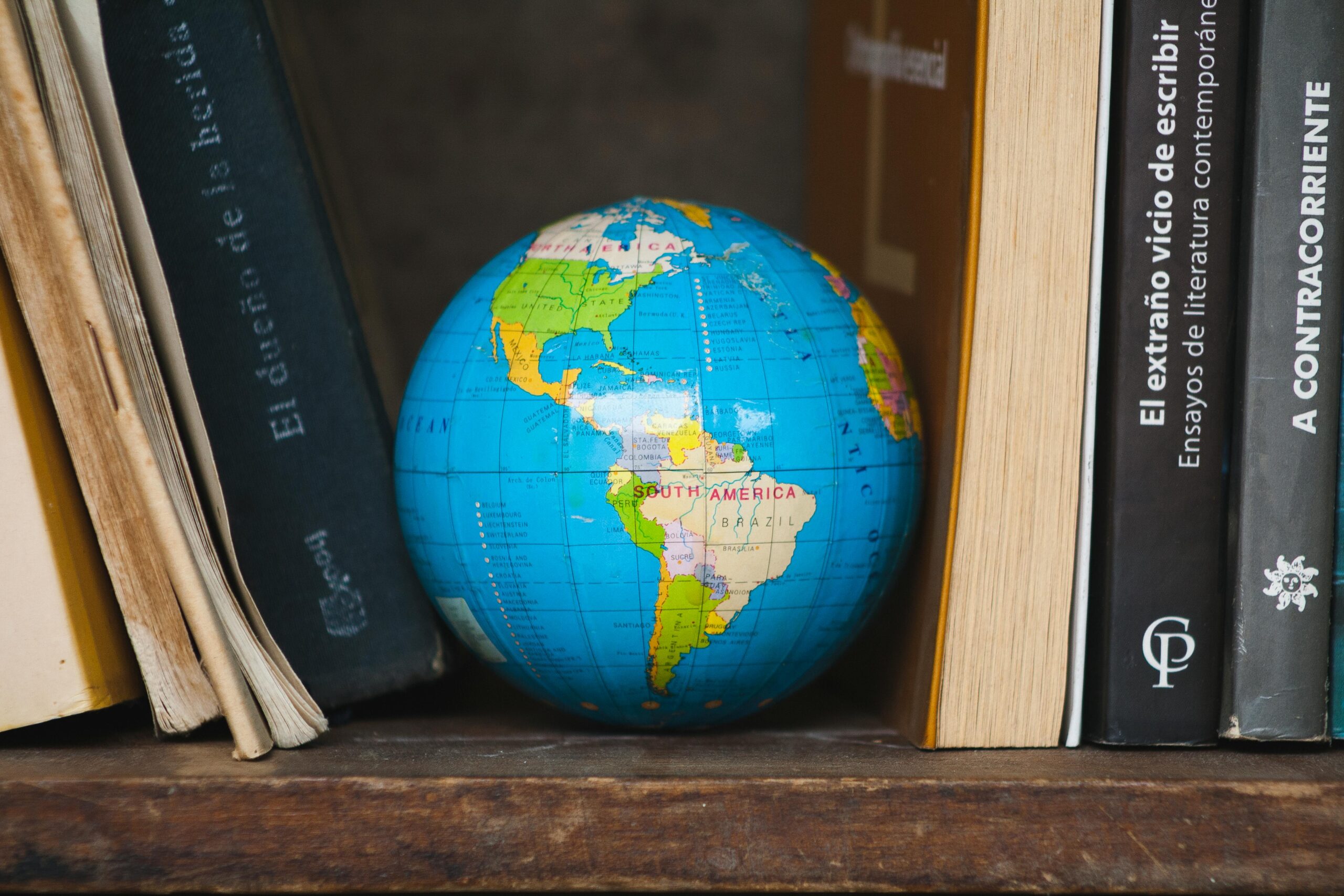
The nomadic lifestyle has long been associated with freedom: the ability to move fluidly between cities and cultures, to shape one’s environment according to personal rhythm. Yet as global mobility evolves, so does the understanding of what it means to live a meaningful, connected life while constantly on the move. The conversation around work, community, and belonging is shifting from mere location independence to the deeper art of intentional living.
Seasons, Timing, and the Context of Place
Every place has its rhythm, its best and worst moments. Understanding that rhythm is essential for anyone living or working abroad. A city may be charming during one season but overwhelming in another, due to weather, pollution, or even social or political changes. Learning to align travel decisions with optimal seasons is not only a matter of comfort, but also of sustainability. Flexibility becomes an asset, the ability to adapt plans, shift destinations, and respond to changing global conditions defines resilience in a mobile lifestyle.
This awareness extends beyond climate. The “seasonality” of a location can also be cultural or emotional. Some periods invite connection and creativity; others call for rest and introspection. Those who live without fixed roots must develop sensitivity to these cycles and move in harmony with them, rather than forcing routines that belong elsewhere.

From Independence to Interdependence
In recent years, the rise of co-living spaces has offered an alternative to traditional accommodation,one that places community at the center of living. For a long time, independence was considered the highest value among travelers and remote workers. The idea of joining a structured community seemed restrictive, even artificial. Yet as time passes, many are realizing that connection is not a luxury; it is a necessity.
Co-living does not replace autonomy but complements it. It offers a framework for meaningful social interaction,a ready-made ecosystem of shared spaces, collaboration, and collective experience. What once seemed like a shortcut to community now appears as a practical solution to the isolation often found in constant mobility. Paying a premium for built-in social infrastructure can, in many cases, enhance well-being and productivity more effectively than saving on rent.
This shift also reflects a broader cultural transition. In societies where traditional family structures are changing and fewer people choose to have children, the need for intentional community design becomes more evident. The question is no longer where to live, but with whom and how.
Building Social Maps, Not Just Itineraries
As work becomes more decentralized, relationships play an increasingly vital role. Choosing destinations based on who is there, rather than what is there, is becoming a defining trend among modern travelers. Revisiting cities where friends, collaborators, or clients reside can transform travel from a solitary act into a web of connection.
Some even cultivate a network of “checkpoint cities”: familiar places that provide emotional grounding while still allowing exploration. These cities act as temporary homes, each offering a partial sense of belonging. Having several of them creates a rhythm between novelty and familiarity, between expansion and rest.
The underlying principle is simple: social connection is a stabilizing force. Meeting collaborators in person, even occasionally, builds trust that digital communication alone cannot replicate. In a world that values efficiency and automation, face-to-face connection remains irreplaceable.
The Balance Between Productivity and Presence
One of the greatest challenges of remote life is balancing the drive for productivity with the desire to experience the world fully. The same flexibility that allows freedom can also blur boundaries. Many find themselves torn between investing time in personal growth: through work, fitness, or learning, and taking advantage of their surroundings through exploration.
Finding equilibrium requires intentional structure. Setting aside “disconnection hours” each day, for example, helps maintain a rhythm of rest and curiosity. During these hours, one might explore a neighborhood, attend a local event, or simply observe. Some adopt the practice of completing a set number of location-specific experiences,ten surf sessions, ten cooking lessons, ten hikes, as a way to immerse deeply in the culture while maintaining a sense of purpose.
This structured spontaneity keeps the nomadic lifestyle from becoming monotonous. It ensures that travel is not merely a change of scenery, but a continuous process of learning and transformation.
The Changing Landscape of Global Work
Remote work, once an experiment, has now matured into a central feature of the modern economy. Governments are adapting by creating digital nomad and startup visas to attract global talent. These initiatives reflect a growing recognition that human creativity and innovation are today’s most valuable resources.
However, the effectiveness of these programs varies. For many remote professionals, the barriers to entry remain high, and the benefits, such as extended stays or tax advantages, often fail to outweigh the administrative effort. The challenge for governments lies in designing systems that are genuinely attractive, not symbolic. In time, we may see incentives that go beyond legal permissions, such as stipends or community integration programs that turn remote professionals into active contributors to local economies.
Still, these developments point toward an emerging reality: people are the new infrastructure. The ability to attract, retain, and empower mobile talent will define not only companies but nations. The future of work is less about where people are and more about how effectively they can connect and collaborate across borders.
Strong Opinions, Loosely Held
Adaptability remains the defining trait of a sustainable mobile lifestyle. It means being open to changing one’s mindabout places, habits, or even values. A belief that once felt essential, like the need for complete independence, may evolve into an appreciation for community. What once seemed like a constraint can later reveal itself as an opportunity.
Holding strong opinions loosely allows personal growth to unfold naturally. Life on the move is not about perfect planning but continuous recalibration, responding to changing seasons, technologies, and inner needs. It is, ultimately, a practice in flexibility: the art of staying grounded while the world keeps shifting.
You can also listen to the full podcast here: Apple Podcast – Spotify

0 Comments