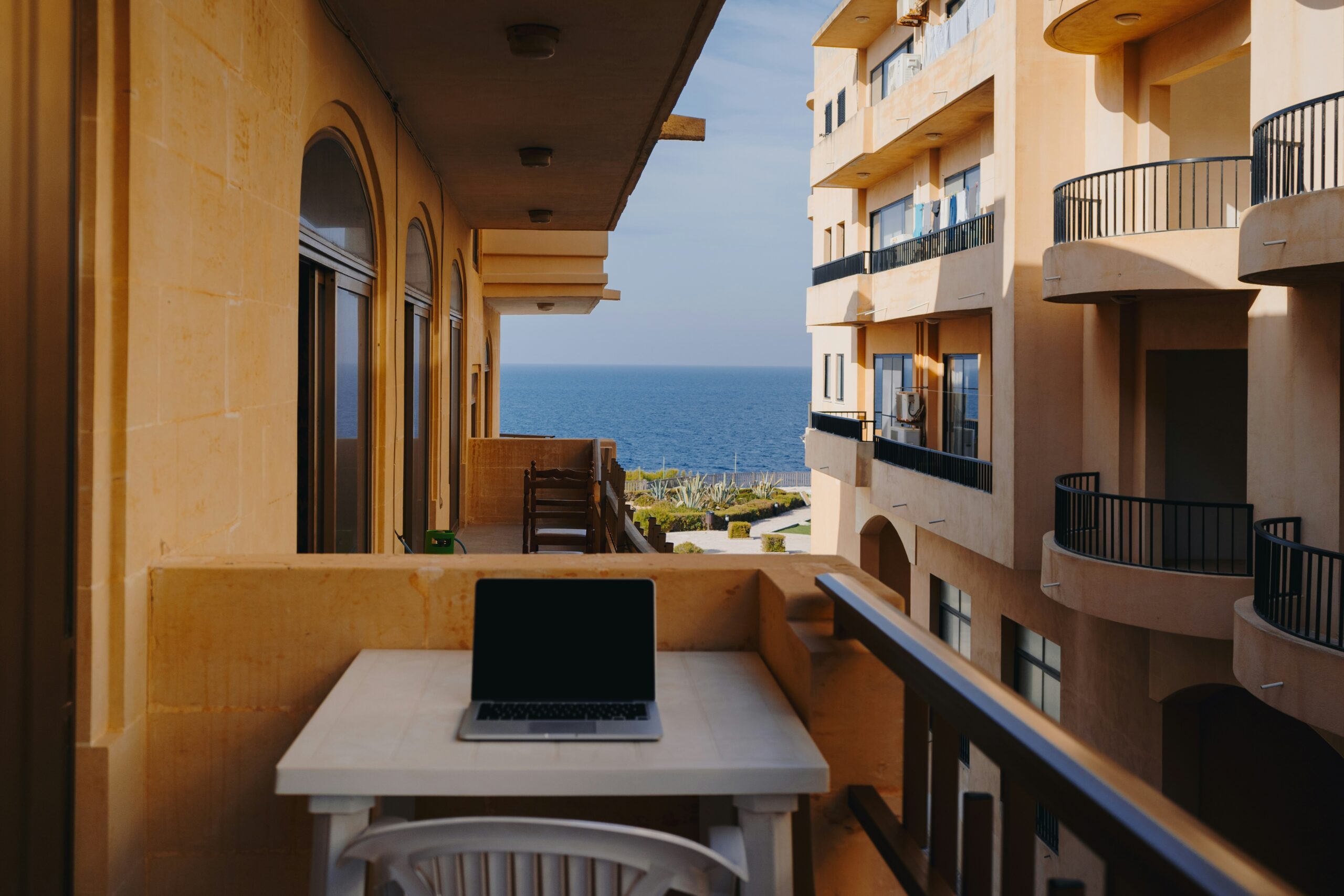
The evolution of work has given rise to the Working Remotely Digital Nomad, a lifestyle offering immense freedom and unique challenges. Insights from those living this location-independent life reveal a fascinating journey from traditional employment to global mobility.
The Spark of a Nomad Journey
For many, the Nomad Life begins with a pivotal decision to break from conventional routines. The concept of living and working remotely gained significant traction around 2015. By 2017, vibrant digital nomad communities were flourishing in places like Lisbon. Initially, remote work wasn’t standard. However, resourceful individuals often convinced companies to allow remote arrangements, sometimes becoming the first in their organisations to do so. This proactive approach, creating a remote job rather than just finding one, proved crucial for many. The COVID-19 pandemic further accelerated this shift, pushing more companies towards fully remote models.
Navigating Work and Travel
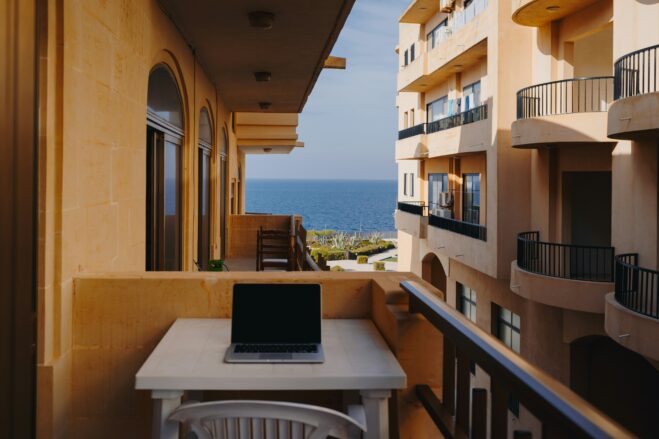
A key aspect for the Working Remotely Digital Nomad is balancing professional responsibilities with constant travel across various time zones. Experiences spanning numerous countries, from vibrant cities to unique destinations like Cyprus, Uganda, and Azerbaijan, build a rich, global perspective.
Maintaining productivity and “deep work” while managing time differences and personal challenges (like ADHD) often demands highly structured routines.
Entrepreneurial ventures are common, with some nomads establishing companies that analyse global startup ecosystems. Remote leadership brings unique hurdles, and while convenient, remote work isn’t always as effective as office-based operations for certain business functions.
Mindset, Habits, and Well-being
Sustaining a Working Remotely Digital Nomad lifestyle requires a specific mindset and robust habits. Individuals develop personalised routines, including consistent morning rituals and exercise, to anchor their day regardless of location.
The concept of “home” often shifts to wherever one currently resides, though maintaining a consistent base can offer stability. Crucially, work-life balance is maintained through intentional disconnection, such as regular periods away from work (e.g., quarterly weeks without work) and daily breaks. Prioritising work-free days, often spent in nature, further fosters a sustainable rhythm.
Discipline is viewed not as a restriction, but as a path to freedom. This involves understanding personal challenges and motivations rather than adhering to universal rules. A playful approach, combining childlike energy with adult structure, helps build sustainable habits. Practical strategies include creating location-independent routines and using physical systems to manage behaviours like screen time.
The Evolving Landscape
The digital nomad movement is constantly evolving. What was once a novelty, characterised by extensive, full-time travel, has matured into a more diverse ecosystem. While some remain full-time nomads without a fixed base, a growing number combine remote work with shorter travel periods or utilize hybrid arrangements.
The movement’s impact extends beyond individual lifestyles, influencing the future of work, tourism, and even modern immigration. Governments are increasingly interested in attracting digital nomads, evidenced by over 70 digital nomad visas worldwide This signifies the recognition of nomads as an impactful demographic.
The industry is also expanding to cater to new demographics, such as families travelling with children. While some companies recalled workers to the office, this doesn’t signal a decline in true nomadism. Instead, it highlights a re-categorisation of those who were temporarily remote during exceptional circumstances The number of individuals seeking location independence and flexibility, particularly through freelancing or contract work, continues to rise.
The Working Remotely Digital Nomad lifestyle continues to grow, adapting and diversifying as technology advances and societal norms shift.
You can also listen to the full podcast here: Link

0 Comments